
| Status: | Active, open to new members |
| Convenor: | |
| Convenor: | |
| When: | Usually monthly on an Adhoc basis depending on venue and activity |
| Venue: | Out and About |
Aim of the group is to enjoy History by exploring a variety of historical topics. To foster a collaborative and supportive approach in the group. To take a particular interest in the History on our doorstep. The group aim to explore topics in different ways, using existing local archives, share knowledge and ideas in the group; enlist the help of people with specialist knowledge; visit places of historical interest
This page was last updated on
Forthcoming events


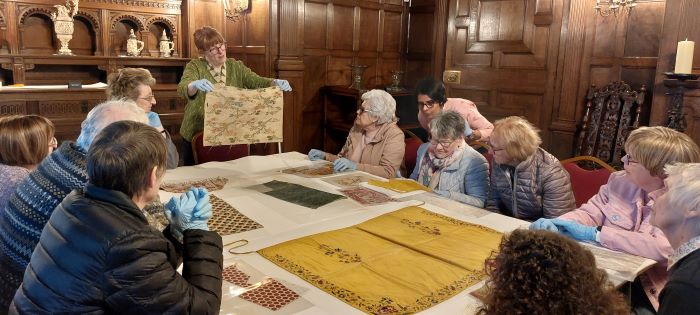

Recent Visits.
This page was last updated
From Pharaoh to Legend Cleopatra V11
11th August 2026
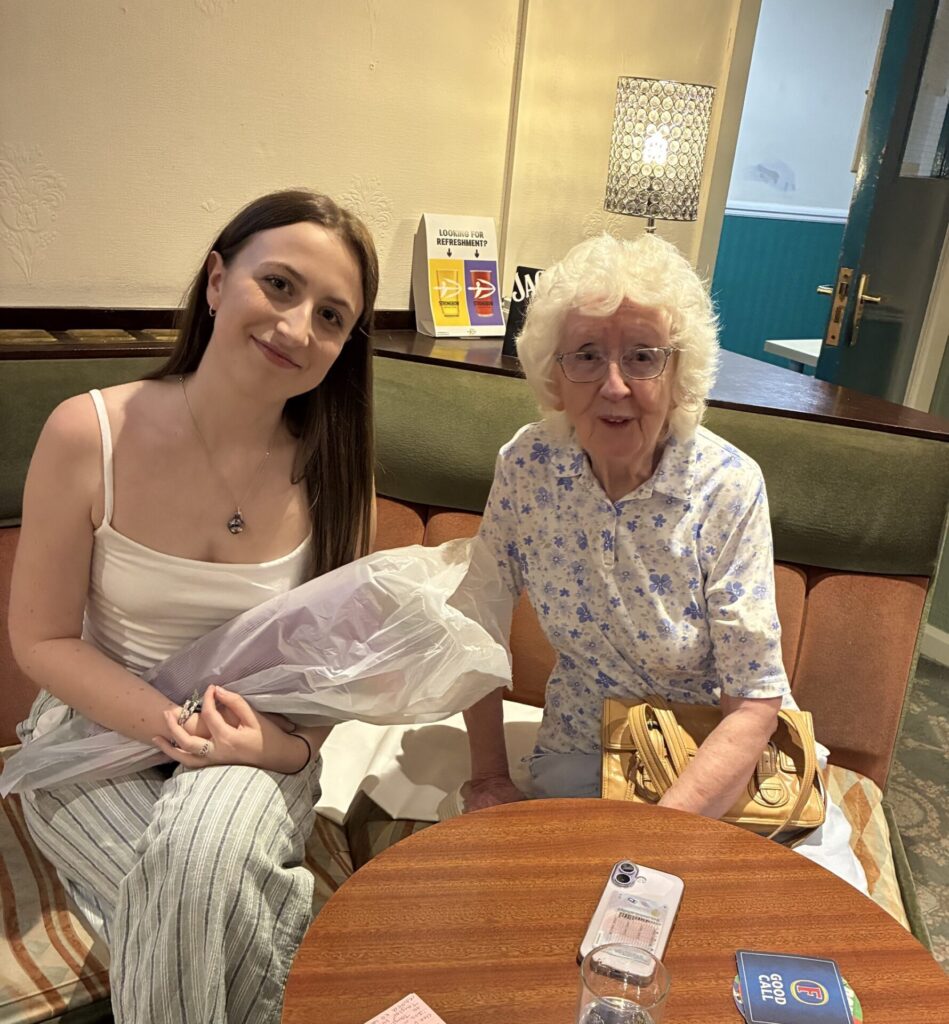
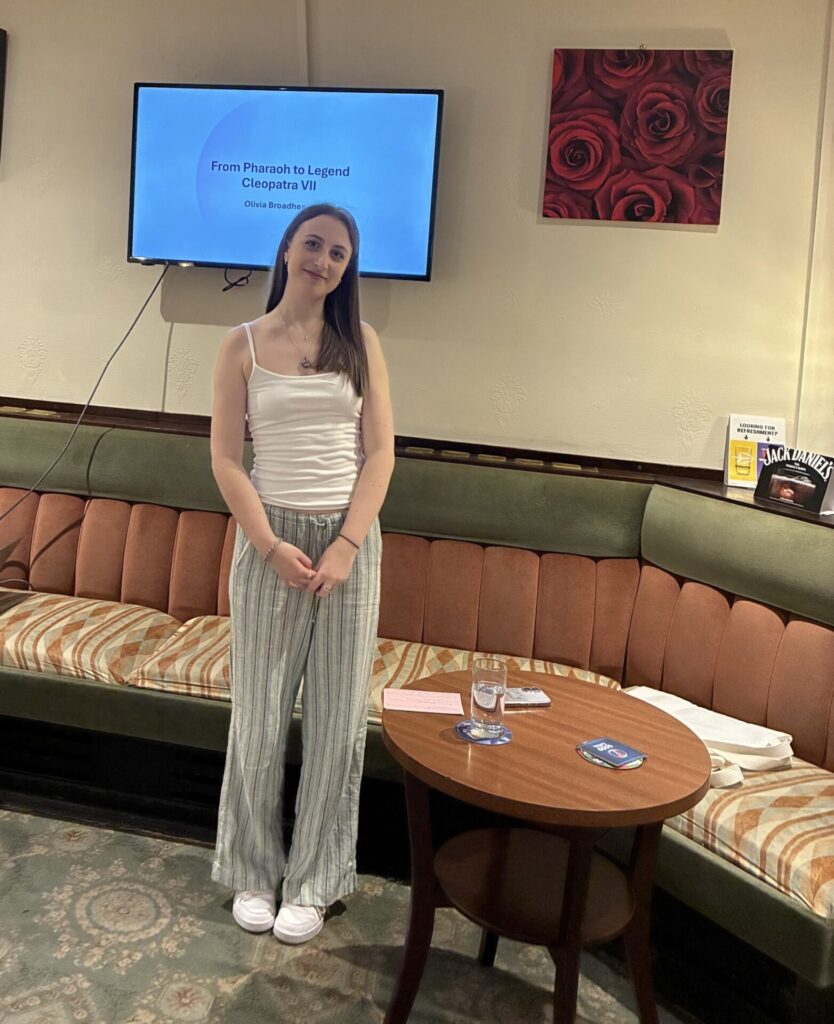
There was a really good attendance for our August meeting with over 30 members of the History group attending a talk presented by Olivia Broadhead - From Pharaoh to Legend Cleopatra V11 . The talk looked at our assumptions about Cleopatra and the way she has been depicted throughout the ages beginning with the earliest accounts, and covering the Renaissance, Shakespeare, the Victorian era and concluding with the epic 1963 film.
The talk was very enjoyable and packed with information - and given that it was our speakers very first talk to an audience outside of an academic setting we were even more impressed. If the name sounds familiar Olivia is the granddaughter of our very own member Marie Broadhead. Thanks also to sister Amelia who provided tech support.
Leeds Minster May 2026


In May members of the History group enjoyed a visit to Leeds Minster. We had a guided tour and our knowledgeable guides told us how the current building, dating from 1841, replaced a medieval church and that worship on the site dates back to the 7th century. We were shown some of the most interesting features including the Leeds Cross, a rare surviving Elizabethan table -tomb (the Hardwick Monument) the mosaics around the altar and the stained glass windows. We were also able to go up into the gallery to view the church from a different perspective

Mental Health Museum Wakefield
18th March 2026
On 18th March, a small group of us visited the Mental Health Museum which is now part of the Fieldhead Hospital complex in Wakefield. It contains exhibits and artefacts from Stanley Royd Hospital, which opened as the West Riding Pauper Lunatic Asylum in 1818. Sally Evans from the museum gave us a short introduction about its history. The asylum was born out of a desire to give more humane care to patients and we were reminded that “asylum” means a safe place. From 150 patients, the hospital grew and accommodated 1000 by the 1860s. A scale model of the Stanley Royd hospital site is on display and there is a detailed drawing made by one of the patients. We were interested in the many different reasons why people were admitted in the nineteenth century and how financially, the hospital had to be as self-sufficient as possible. Methods and attitudes to mental health over the last 200 years are explored there is also section on modern mental health care. Stanley Royd finally closed in 1995 but museum staff are keen to hear stories from anyone with a connection for their oral history archive. Visiting is by appointment but the museum will be open for heritage open days in September.
Leeds City Library October 2025


In October the History Group visited The Leeds Library for a tour. This is the private library on Commercial Street, not to be confused with Leeds Central Public Library!
The Leeds Library was originally founded in 1768 in Kirkgate and is the oldest surviving example of a proprietary subscription library in the British Isles – a kind of library created, owned and run by its members. Libraries of this kind were a feature of many towns in the late 18th and early 19th centuries. They were the internet of their day – providing information, education and entertainment and bringing like-minded people together.
During the 18th century, books were published in larger numbers and middle class readers had more leisure time to read them. However, books were also expensive and there were no free public libraries. The aim of The Leeds Library and other subscription libraries, was to acquire new books, often via member donations, which were then made available for loan to all members.
These subscription libraries began to decline when the public libraries started to appear from the mid 19th century. Leeds Library moved to the fashionable Commercial Street in 1808 and was able to survive by collecting high rents for the shops on the ground floor. It was also considered very stylish during the second half of the 19th century to belong to the Leeds Library. Eventually, reduced income and popularity meant many years of financial difficulty during the 20th century when important books had to be sold from time to time to keep the library open. However, renewed interest in the library since the early 1980s have allowed it to flourish again.
During our tour of the premises we were allowed to view and handle some of the library's most precious books including some first editions e.g. Darwin's The Origin of Species (1859).